Stone · grease · water · ink
How a lithograph is made
Every print on this site began as a drawing on limestone. This is the two-hundred-year-old chemistry that turns it into paper and ink.
-
01
The stone
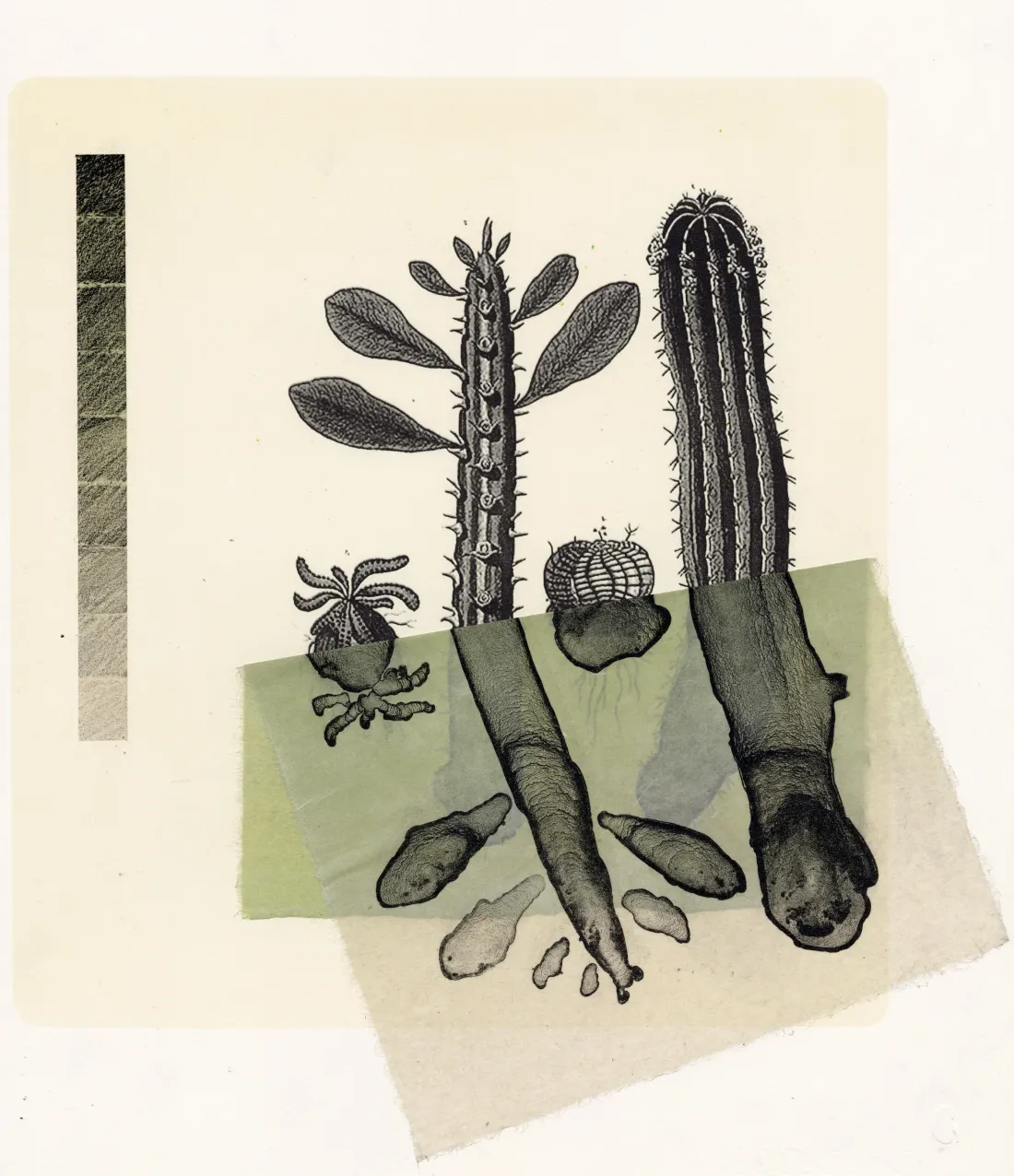
Lithography begins with a slab of limestone, ground flat with carborundum grit until it holds a fine, even tooth — like the surface of heavy paper. The same stones have been reground and reused for generations; a print studio's stones outlive its printers.
-
02
Drawing with grease
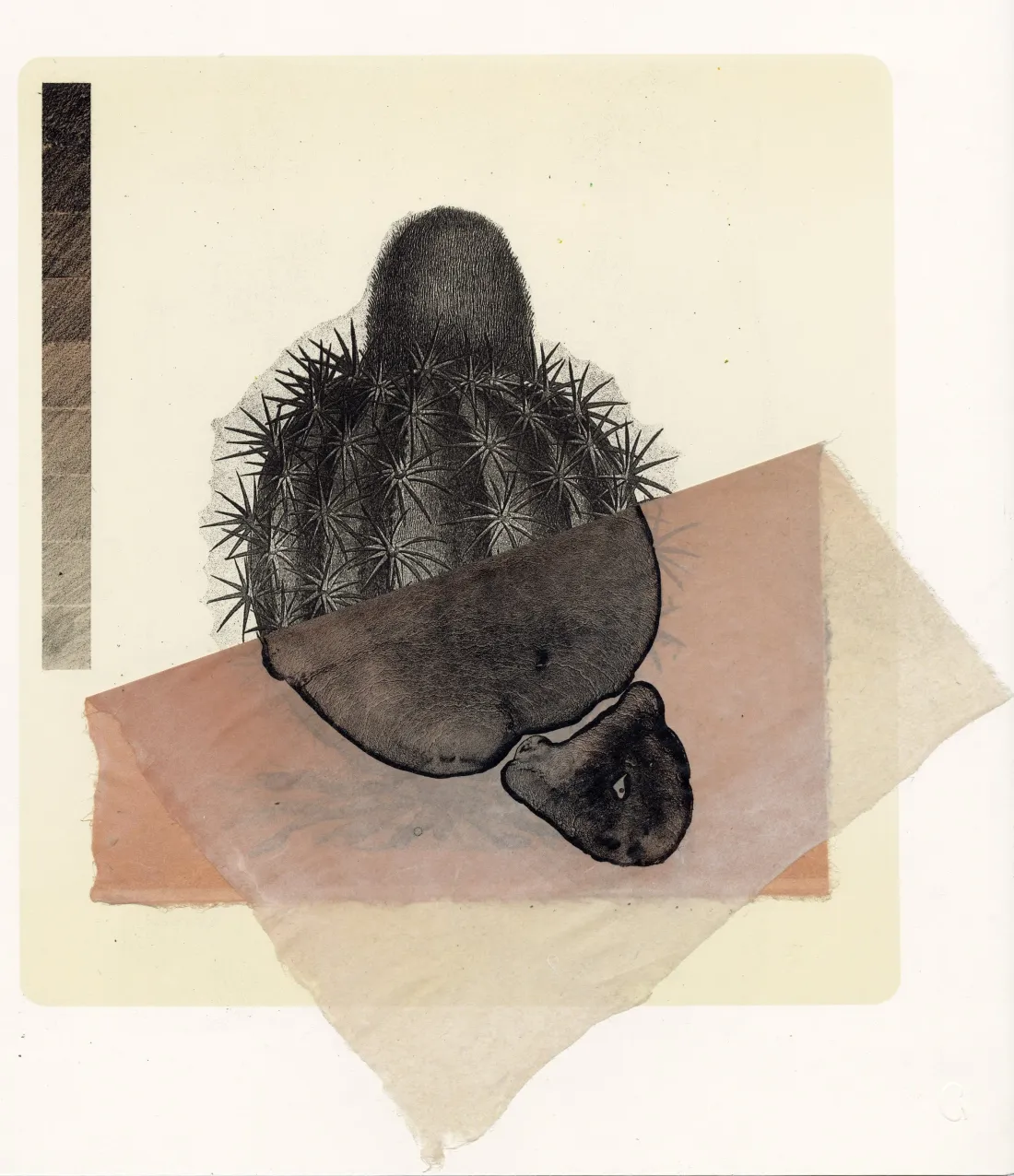
The image is drawn directly on the stone with greasy crayons and tusche washes. Nothing is carved or cut — lithography relies on chemistry, not relief. Everything drawn will print; every accidental fingerprint will too.
-
03
Etch and gum
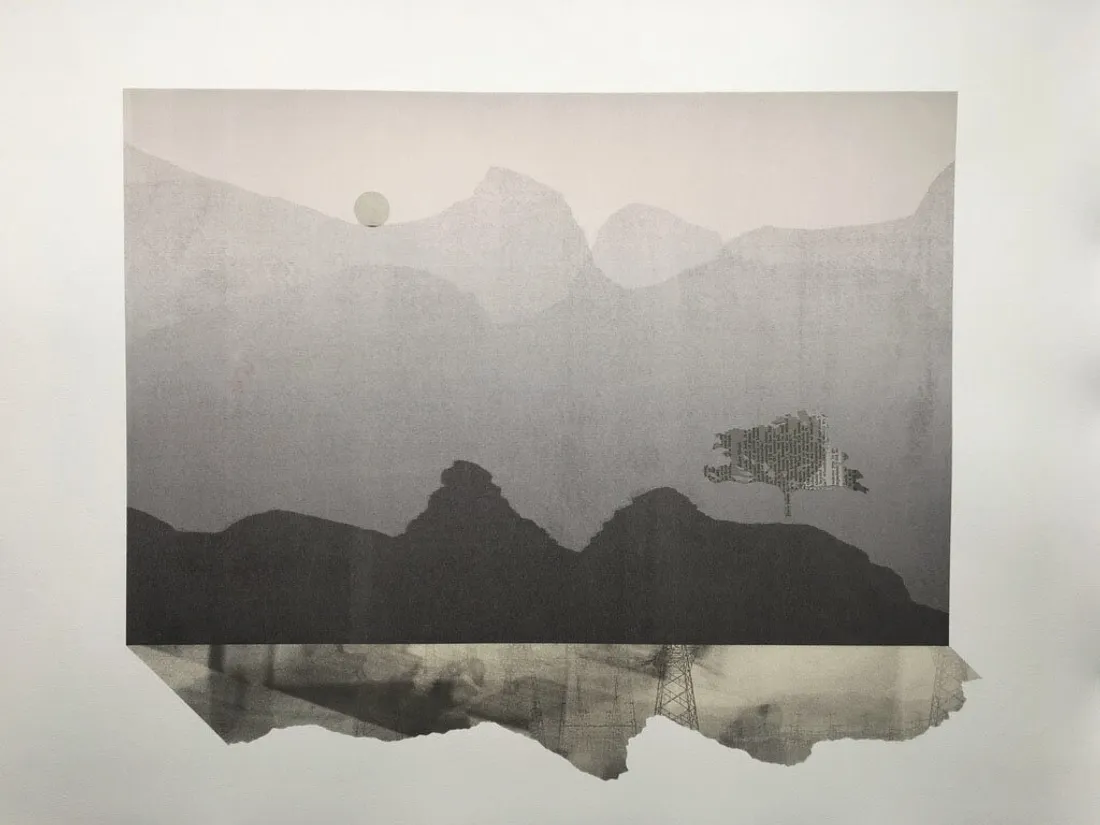
The stone is treated with gum arabic and a whisper of acid. This fixes the drawing chemically: greasy areas learn to love ink, damp bare stone learns to refuse it. The drawing itself is then washed away — what remains is invisible, held in the stone's surface.
-
04
One pass per colour
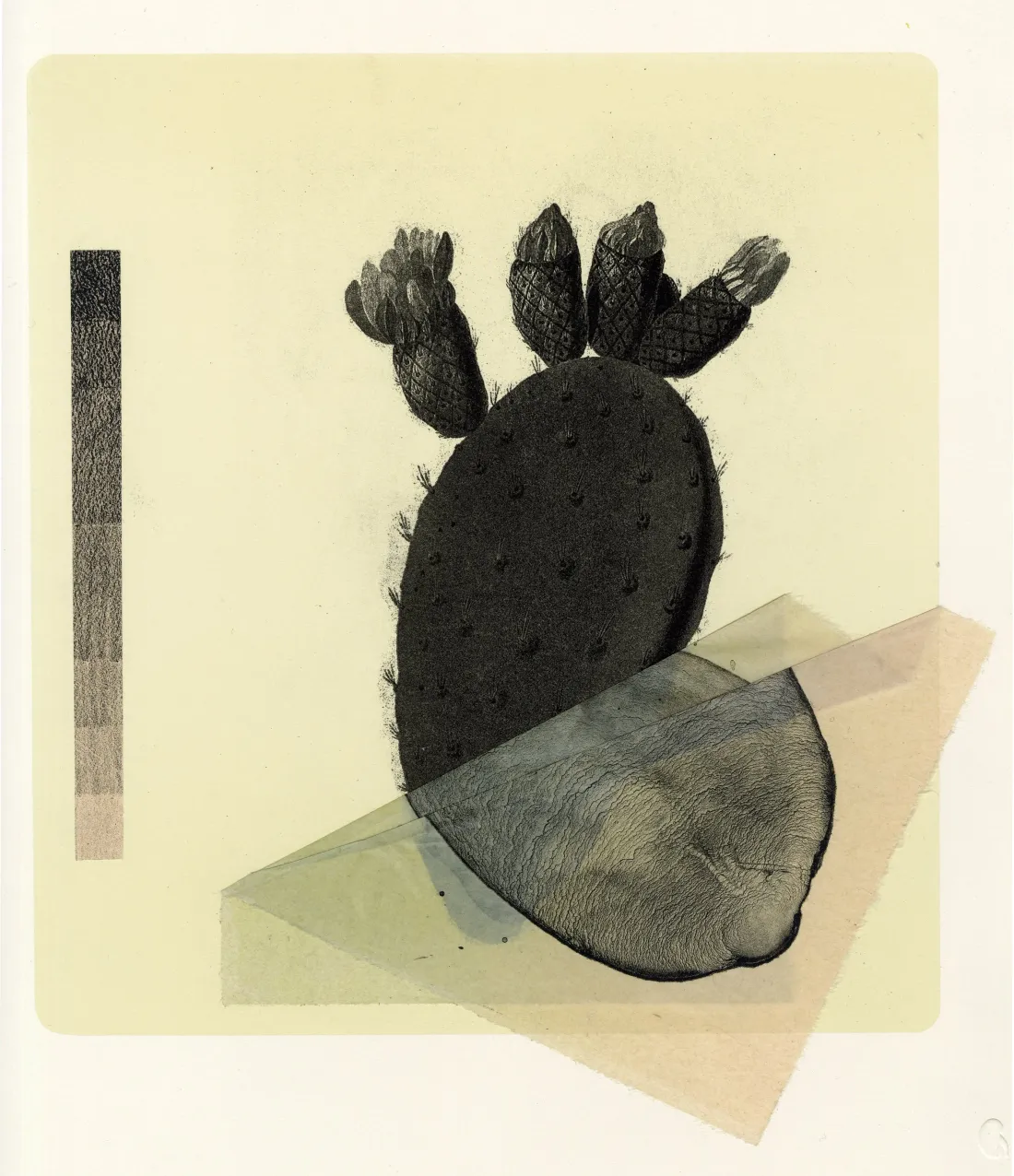
The stone is sponged with water and rolled with ink; ink clings only where the drawing was. Paper is laid down and the press bed slides under a scraping bar at great pressure. That is one colour. A five-colour lithograph means five stones, five drawings, five printings — each sheet passing through the press five times, landing each pass within a hair's breadth using registration marks.
-
05
Chine collé
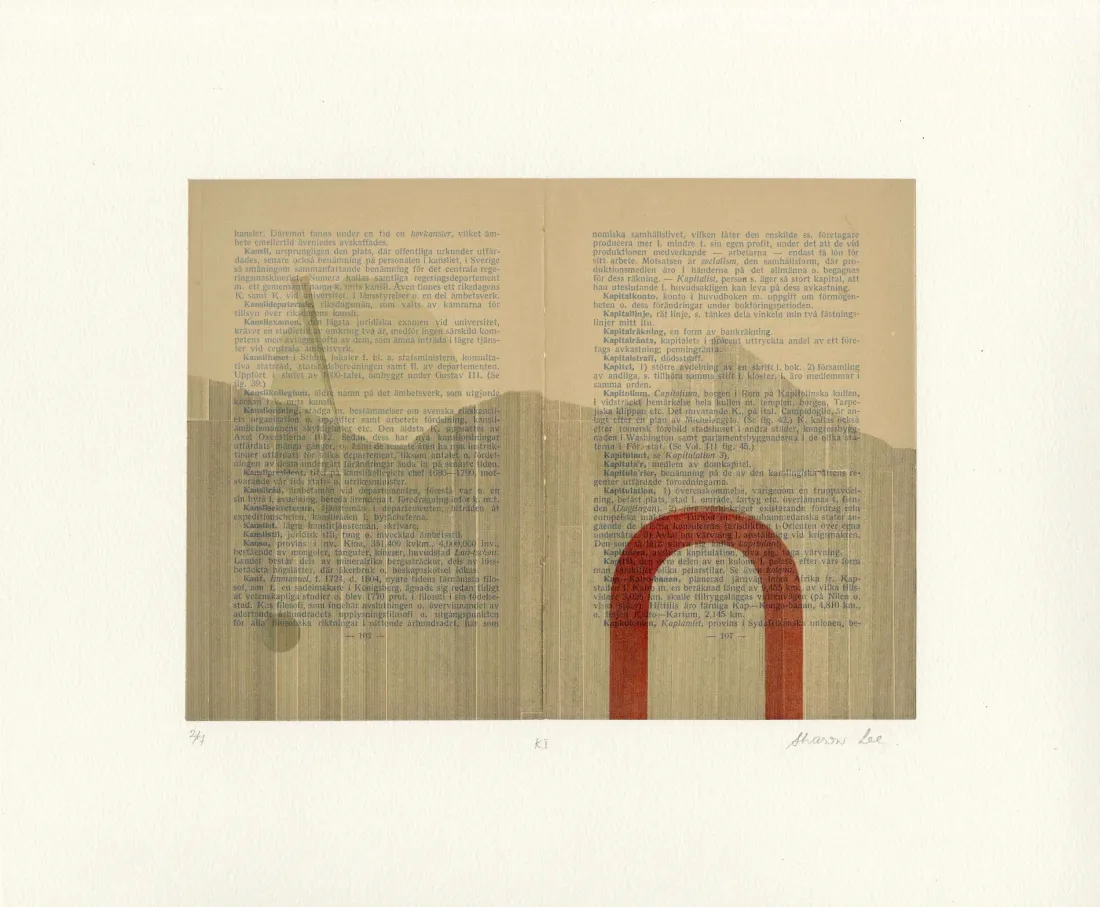
Many of these works marry thin papers — Japanese Kawanaka, pages of found books — to the heavier printing sheet in the same pass through the press. The technique is chine collé: the delicate paper takes the ink, the strong paper carries it, bonded by paste and pressure in one movement.
-
06
Signing the edition
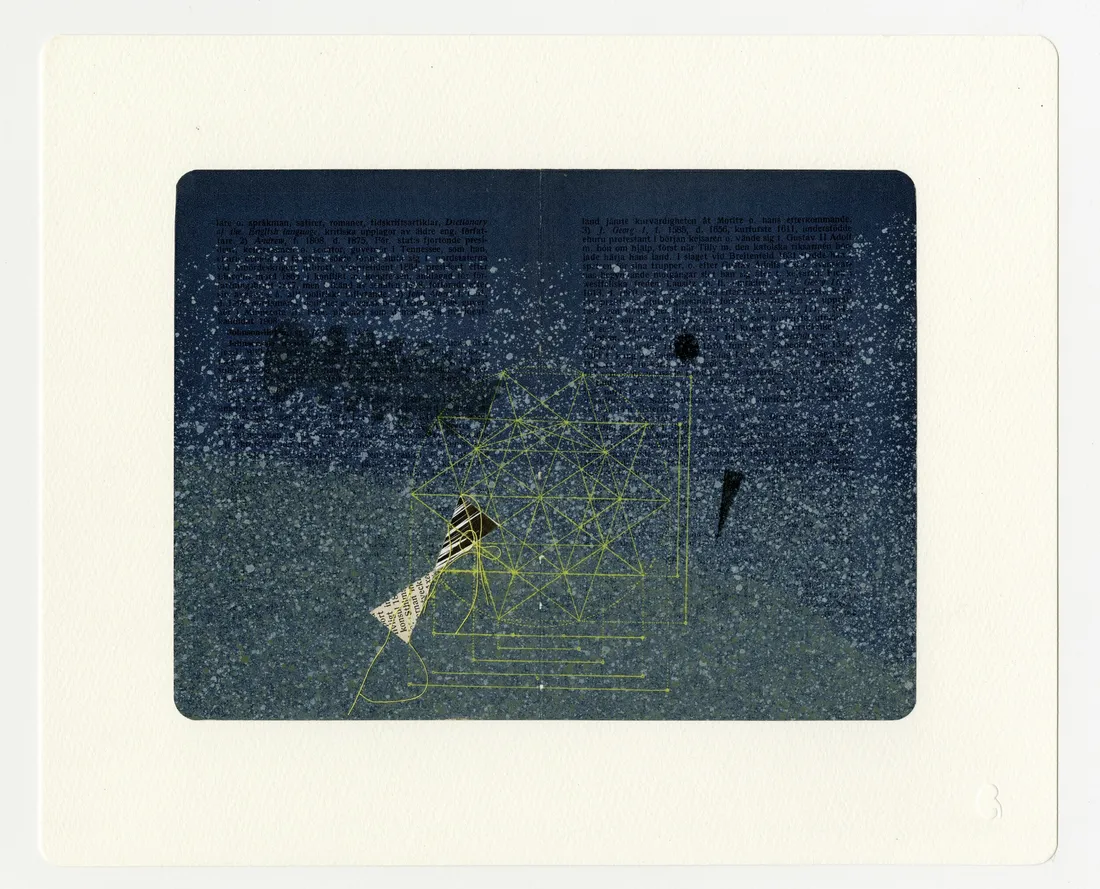
Original prints are published in small editions — seven, sometimes fewer. Each is inspected against the bon à tirer (the approved proof), numbered in pencil — 2/7 — titled, and signed. Then the drawing is ground off the stone forever. There is no plate in a drawer, no reprint. What exists is what was pulled.